
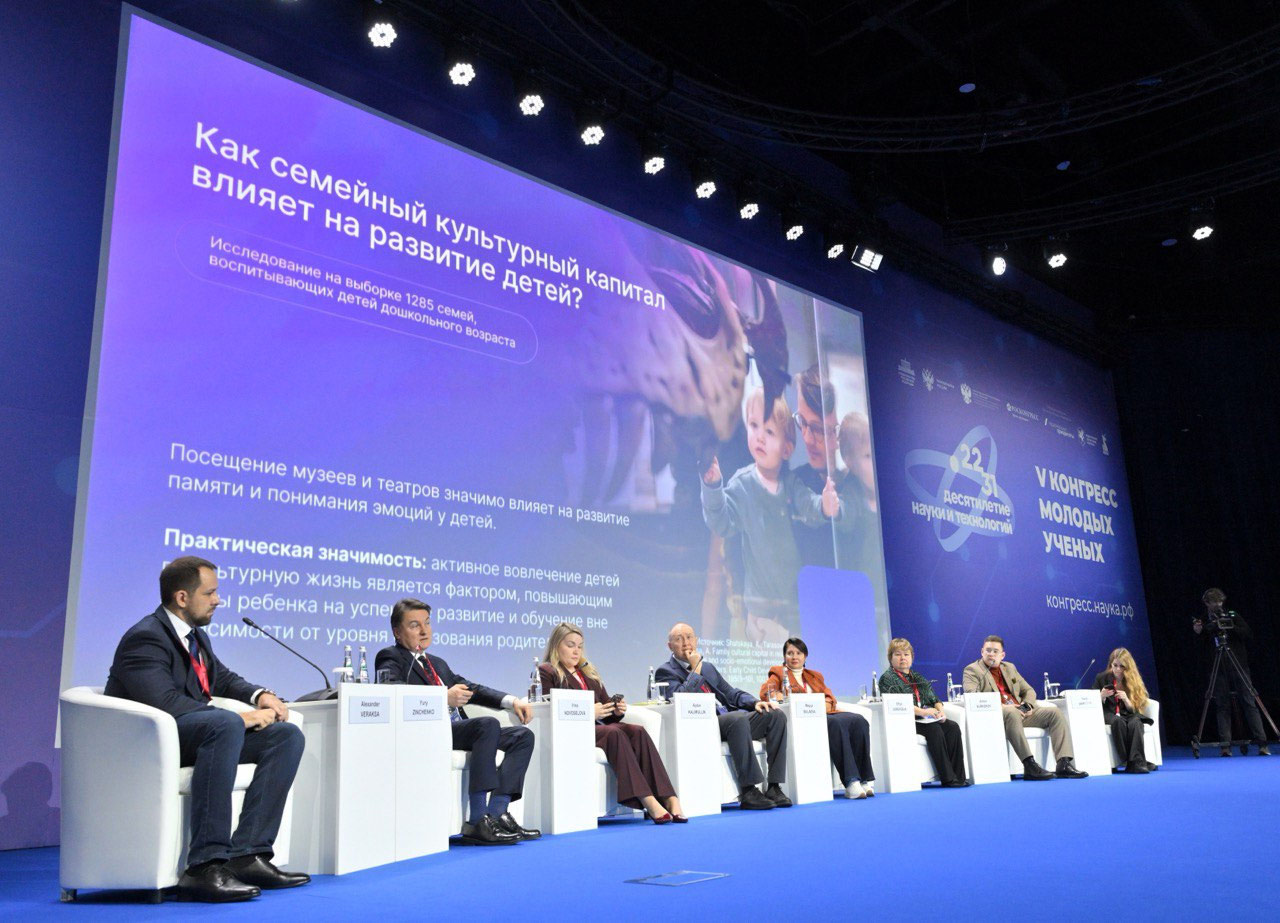
On November 26, within the track "Grand Challenges: Impulse for Development," a session dedicated to contemporary childhood research and the implementation of scientifically grounded technologies into the educational process was held. The discussion titled "Where Does Childhood Lead? Toward Interdisciplinary Research and Effective Educational Solutions" brought together leading experts in psychology, education, medicine, management, and technological development, including colleagues from our department.
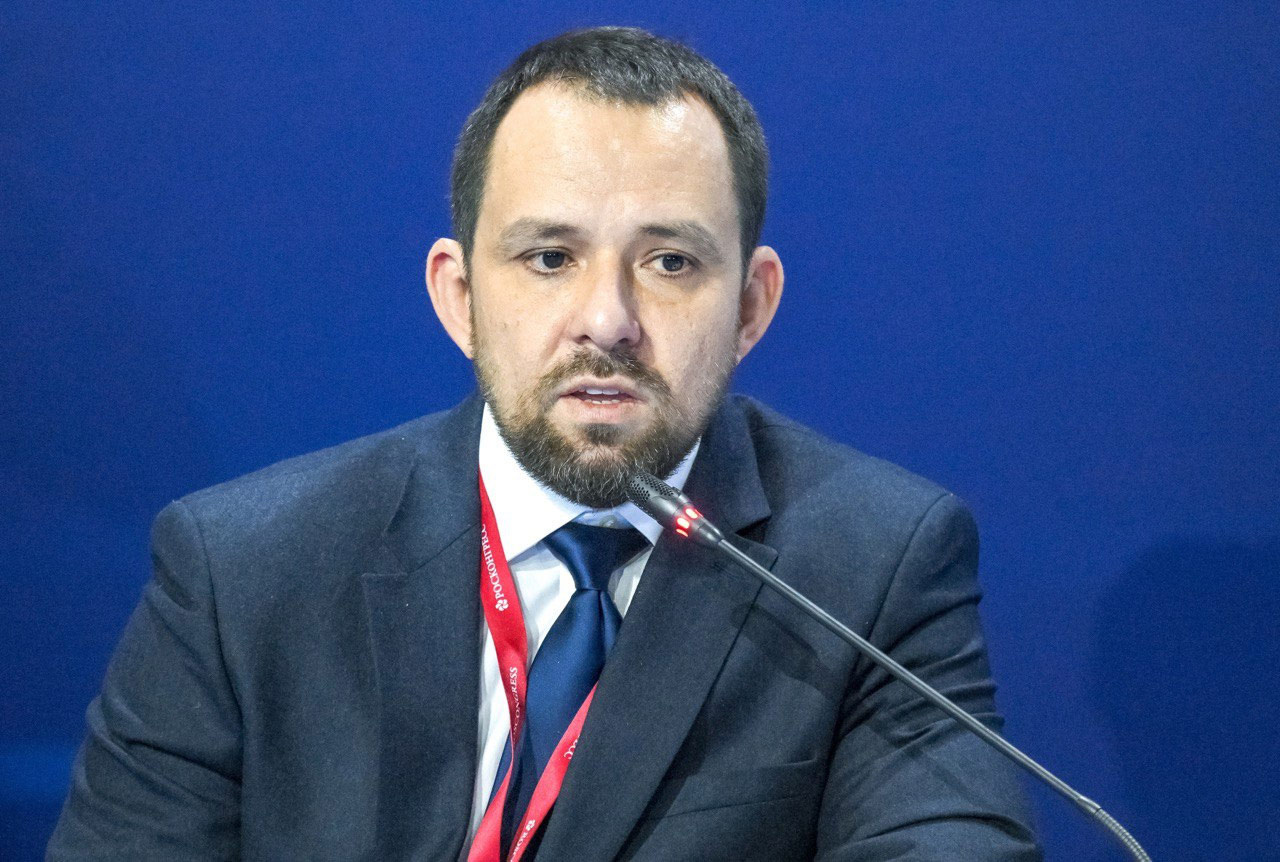
Alexander Veraksa, Head of the Department of Educational Psychology and Pedagogy at the Faculty of Psychology, Lomonosov Moscow State University, moderated the session. He emphasized that interdisciplinary research has now become a key condition for childhood development: only by integrating scientific, psychological, and pedagogical knowledge—and translating it into practical educational systems—can we create solutions that truly work and respond to the challenges of our time.
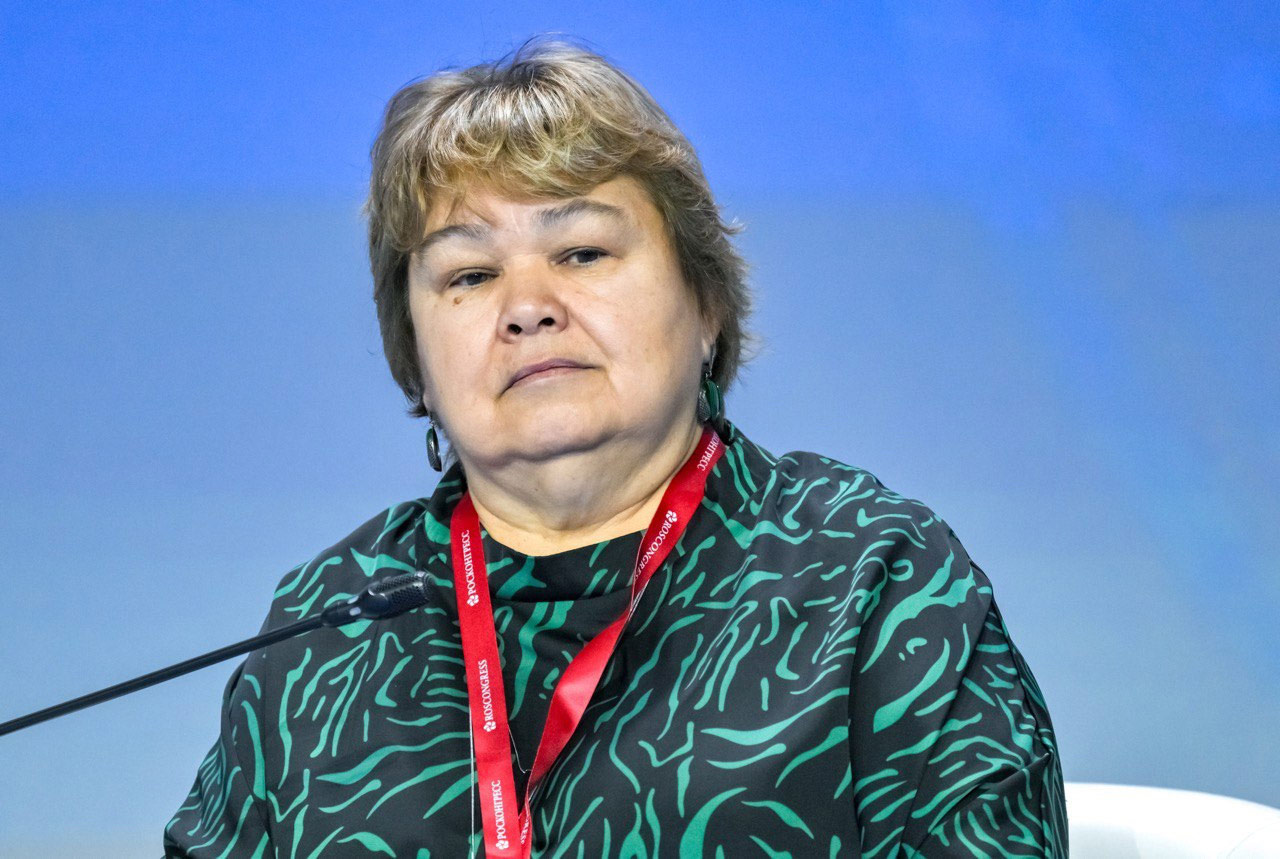
Elfia Dorofeeva, CEO of the children's publishing house "MOZAICA-SINTEZ," spoke as a panelist. In her remarks, she stressed the importance of delivering research findings directly to practitioners and early childhood educators:
Don’t assume they’re not interested.
The All-Russian Forum for Early Childhood Education Professionals 'ORIYENTIRY DETSTVA' ('Childhood Compass') clearly demonstrated that sessions presenting the latest research and practical recommendations are packed with engaged educators.
Our publishing house sees this as part of its social mission—to support research and bring its results into practice. Psychology and pedagogy have produced numerous breakthroughs, among them L.S. Vygotsky’s groundbreaking concept of the 'Zone of Proximal Development.' An adult, taking a child by the hand, guides them toward a happy future, placing them in a situation of success. Yet today, this is no longer sufficient: children have changed, and so has the world. Our country needs creators—proactive, creative, and socially responsible individuals ready to work for the benefit of society and the state, and to find fulfillment in doing so. This foundation is laid in early childhood. Therefore, it is crucial to create conditions that allow every child to express themselves as a personality and generate something new for the good of society. Recently, the modern concept of the 'Child’s Realization Space' (CRS) was formulated, authored by Nikolai Evgenyevich Veraksa.
Developing the CRS concept necessitates research that will help design educational technologies fostering environments where every child’s potential can be fully realized.
The discussion also featured Yuri Zinchenko, Dean of the Faculty of Psychology at Lomonosov Moscow State University, Chief External Specialist in Medical Psychology at the Russian Ministry of Healthcare, and Director of the Federal Research Center for Psychological and Interdisciplinary Studies; Irina Novoselova, First Deputy Governor of the Yamalo-Nenets Autonomous Okrug; Maya Bulayeva, Deputy of the Moscow City Duma and Director of the State Budgetary General Education Institution of Moscow "School in Nekrasovka"; Aidar Kalimullin, Director of the Institute of Psychology and Education at Kazan (Volga Region) Federal University; Anton Nurkenov, Head of the Robotics Research Laboratory at South Ural State University; Yuri Semenov, Head of the Autonomous Non-Profit Organization for Children’s Harmonious Development "Childhood Lab"; and Yana Smirnova, Associate Professor at the Department of General and Applied Psychology, Altai State University.
The session became an important platform for coordinating scientific, educational, and administrative efforts aimed at supporting child development. Participants emphasized that only an interdisciplinary approach—bringing together psychology, pedagogy, medicine, and modern technologies—will enable the creation of effective educational solutions and foster resilience in future generations.
Photo materials used in this publication are from the 2025 Congress of Young Scientists session "Where Does Childhood Lead? Toward Interdisciplinary Research and Effective Educational Solutions."
Author: Alexey Danichev
Source: Congress of Young Scientists Photo Archive
Location: Federal Territory "Sirius," Russia.