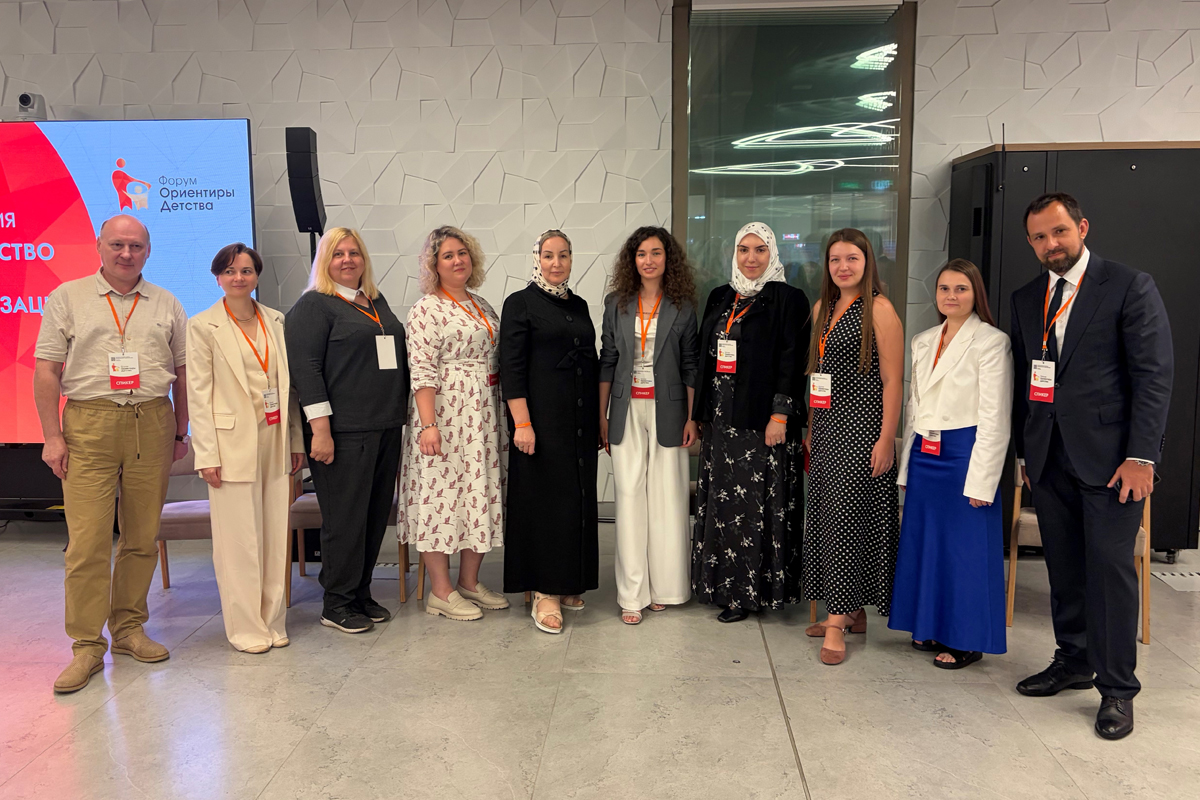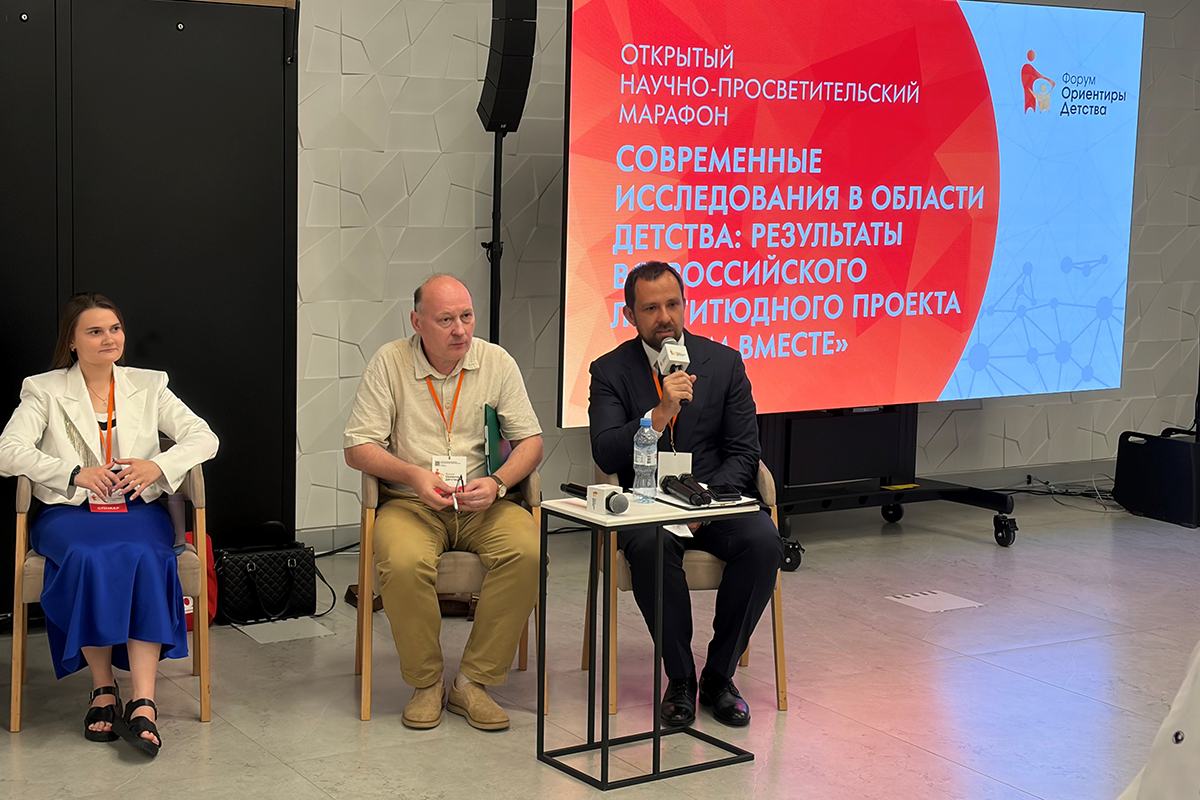
Representatives of the Faculty of Psychology, Lomonosov Moscow State University, and the Federal Scientific Center for Psychological and Interdisciplinary Research, led by Alexander N. Veraksa — Head of the Department of Educational Psychology and Pedagogy, Faculty of Psychology, Lomonosov Moscow State University; First Deputy Director and Head of the Laboratory of Childhood Psychology and Digital Socialization at the Federal Scientific Center for Psychological and Interdisciplinary Research; Member of the UNESCO Chair on Early Childhood Education and Development, Doctor of Psychology; and Academician of the Russian Academy of Education (RAE) — presented the findings of the All-Russian longitudinal project Rastem Vmeste (Growing Together).
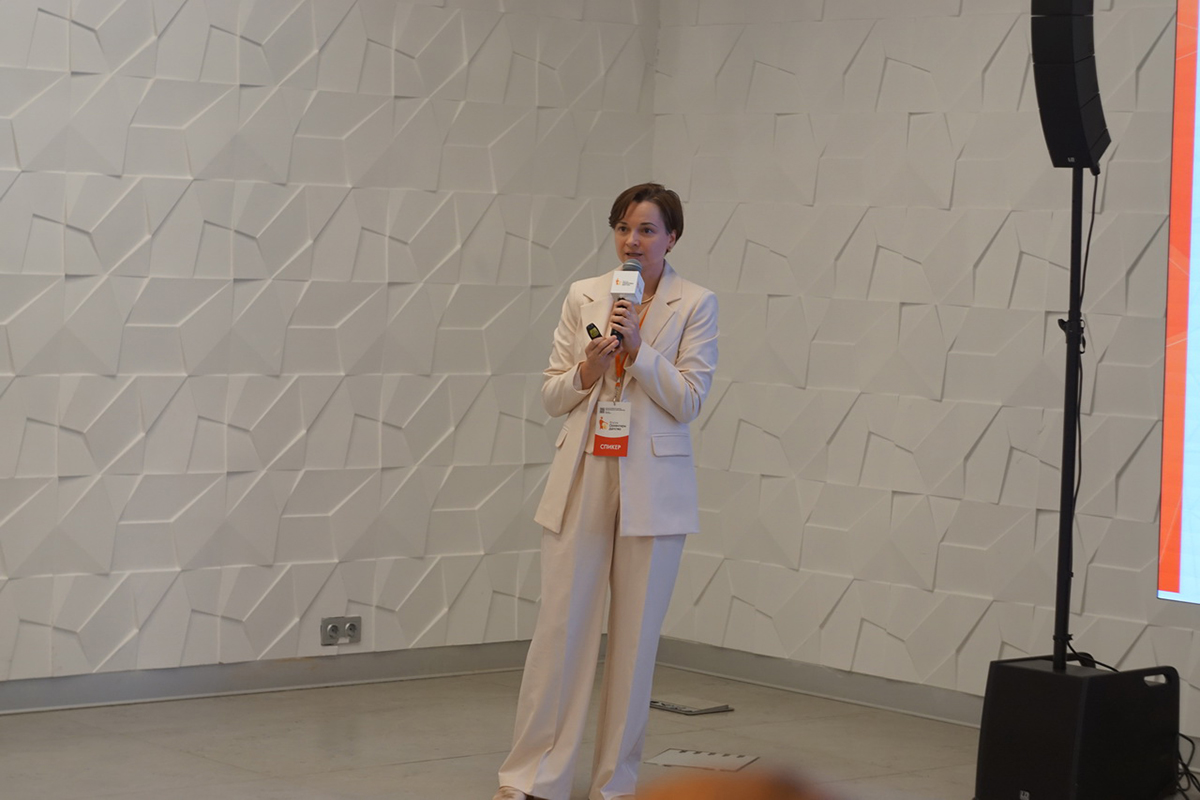
Vera L. Sukhikh, Research Fellow at the Department of Educational Psychology and Pedagogy, Faculty of Psychology, Lomonosov Moscow State University, discussed the relationship between rough-and-tumble play and child development. Children who engage more frequently in this type of play demonstrate a better understanding of others’ emotions and greater ability to regulate their physical impulses. At the same time, rough-and-tumble play is more common among children with less developed speech coherence and lower social status within the peer group; for these children, such activity may serve as an “entry point” into the collective.
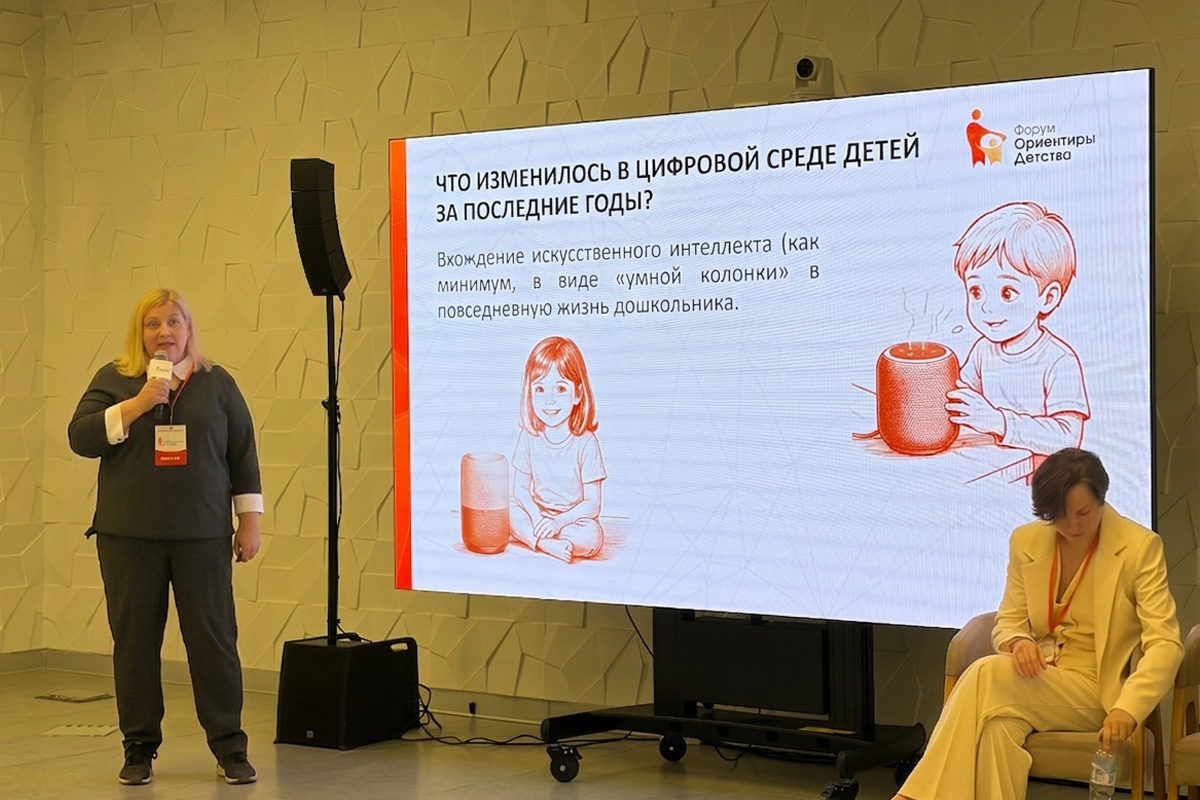
Olga V. Almazova, Associate Professor at the Department of Educational Psychology and Pedagogy, Faculty of Psychology, Lomonosov Moscow State University, Cand. Sci. (Psychol.), presented data on how children in preparatory groups perceive artificial intelligence and smart speakers. Most young children associate AI with robots and gadgets, while over one-third of respondents consider a smart speaker to be “alive” because it talks, answers questions, and has “eyes.” Notably, nearly all children report telling the speaker something personal, and approximately half are willing to confide their secrets in it.

Daria M. Nechaeva, Research Fellow at the Federal Scientific Center for Psychological and Interdisciplinary Research, addressed a concern shared by many parents and educators: how to sustain and nurture a child’s intrinsic motivation for learning without resorting to pressure. In her presentation, the expert focused on approaches that help children develop an interest in exploration through genuine engagement rather than external demands. Particular attention was given to creating conditions in which the child experiences a sense of competence, perceives meaning in their activities, and is able to exercise initiative — factors that, according to research, underpin sustained intrinsic motivation.
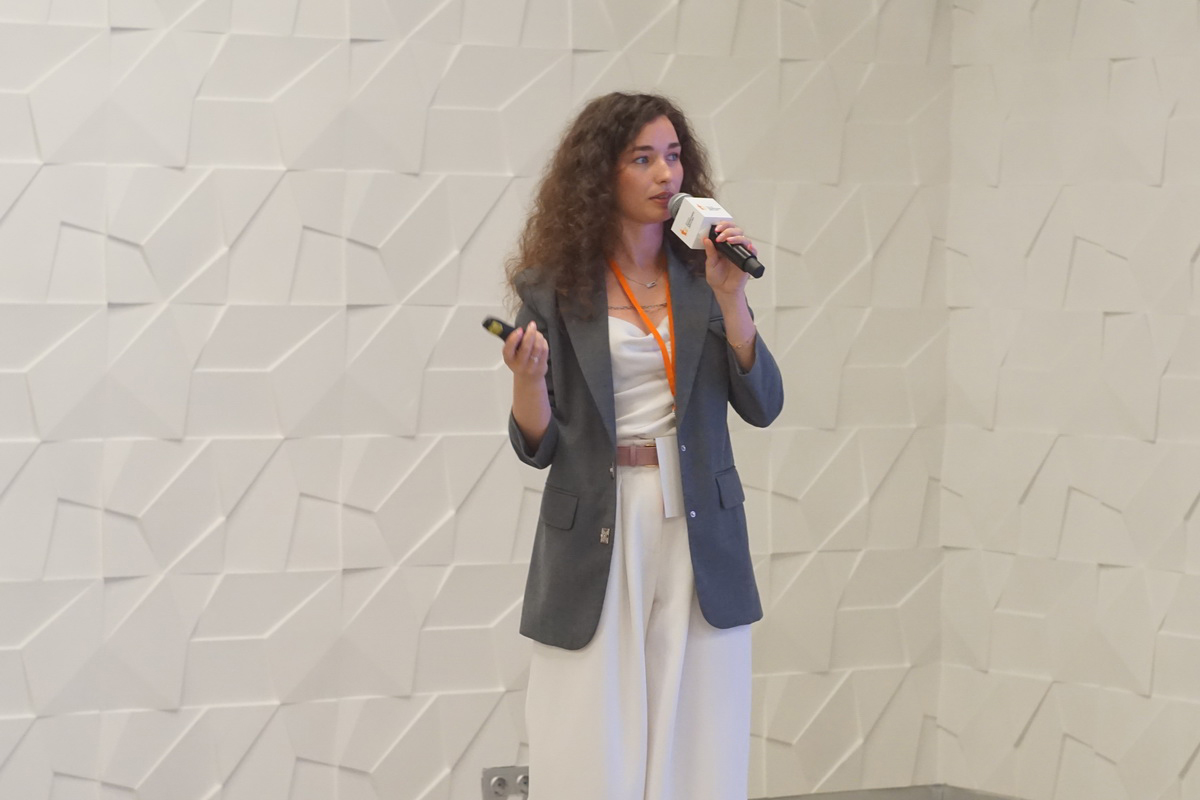
Valeria A. Plotnikova, Research Fellow at the Federal Scientific Center for Psychological and Interdisciplinary Research, shared findings from observations of preschoolers’ leisure preferences. The results indicated that traditional activities — pretend play, active games, drawing, modeling, and ball games — continue to attract children more than digital entertainment. A correlation was found between screen time and the quality of play: the more time a child spends in front of a screen, the lower the quality of their play activity, which in turn is associated with elevated stress levels. However, the situation can be remedied: teaching a child to engage in pretend play or integrating them into a peer group where other children already possess such skills makes digital leisure less appealing.
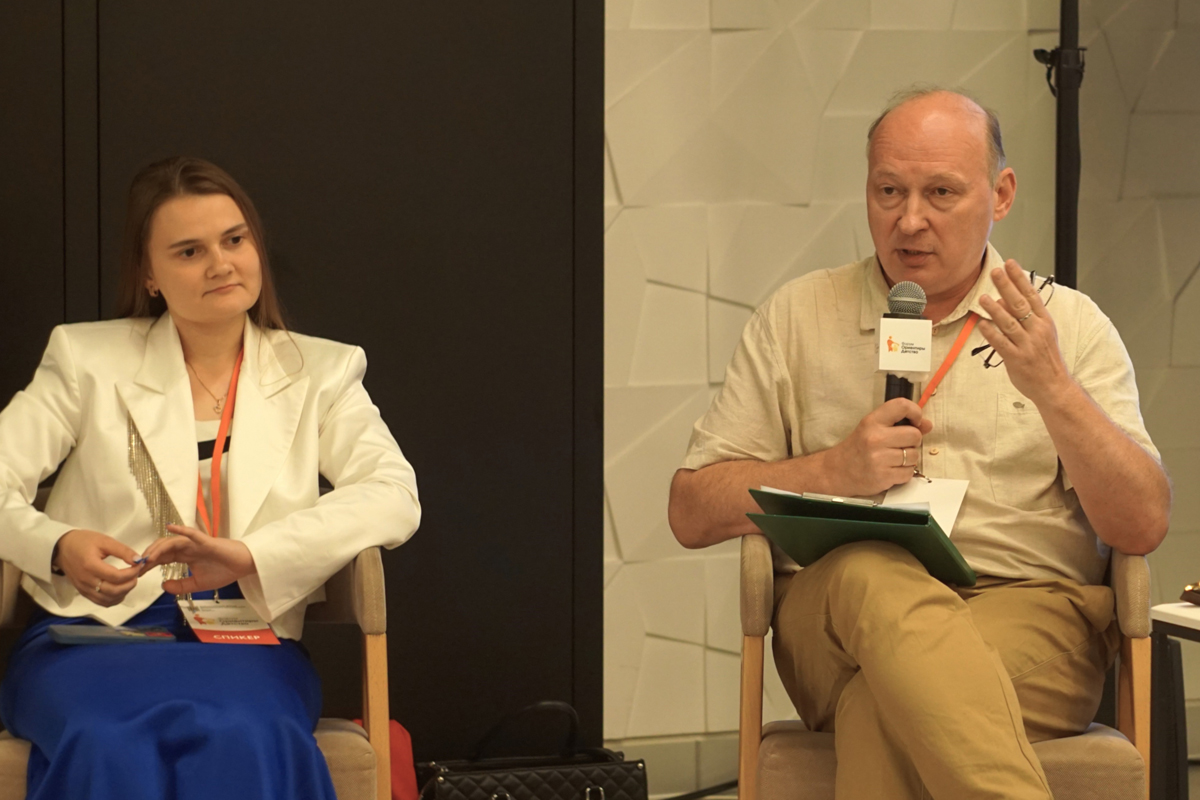
Evgeny E. Krasheninnikov, Associate Professor at the Department of Educational Psychology and Pedagogy, Faculty of Psychology, Lomonosov Moscow State University, Cand. Sci. (Psychol.), drew attention to the problem of overloading developmental programs: attempting to develop “everything at once” results in none of the targeted qualities being fully formed. The expert cited experience in fostering dialectical thinking, which is natural to children and serves as a foundation for creativity and psychological health. When designing a program, it is essential to take into account children’s actual psychological age and zone of proximal development, as well as to provide for the professional development of the educator.

Anastasia A. Yakushina, Lecturer at the Department of Educational Psychology and Pedagogy, Faculty of Psychology, Lomonosov Moscow State University, Cand. Sci. (Psychol.), presented the results of a study on the impact of chess on child development. In preschoolers aged five to six who had systematically practiced chess over a six-month period, a significant improvement in visuospatial working memory was observed: they demonstrated enhanced ability to remember objects and their spatial arrangement. Furthermore, chess instruction contributed to the development of skills important for academic learning — in particular, the ability to rapidly assess situations and anticipate future developments. The benefits of improved planning and memorization skills persist into adolescence.

Daria A. Bukhalenkova, Associate Professor at the Department of Educational Psychology and Pedagogy, Faculty of Psychology, Lomonosov Moscow State University, Cand. Sci. (Psychol.), examined the relationship between educators’ years of experience and the quality of the educational environment. The data indicate that experienced teachers are indeed more effective at creating a supportive atmosphere and fostering children’s skills — but only when group sizes are not excessive. The critical threshold is 35 children: at this level of enrollment, even the most highly qualified specialist cannot provide each child with the necessary attention, feedback, and support. This raises a pressing question for the professional community regarding strategies for maintaining quality under conditions of high group occupancy.
The findings presented will assist specialists and parents in gaining a deeper understanding of children’s needs and in developing optimal strategies for their support and development.